
How to Transition Safely to Carnivore from Keto or Paleo
If you’re coming from keto or paleo, moving toward a carnivore way of eating can feel both exciting and intimidating. You already know how powerful food changes can be but you may also be wondering how to transition without wrecking your energy, digestion, or motivation.
The good news? You’re not starting from scratch.
Keto and paleo eaters already have a huge advantage, and with a thoughtful approach, transitioning to carnivore can feel surprisingly smooth. This guide walks you through a safe, realistic transition plan so your body has time to adapt without unnecessary discomfort or confusion.
This post may contain affiliate links. Please read our disclaimer.
If you’re brand new to carnivore, you may want to start with my Carnivore Diet: A Complete Beginner’s Guide, then come back here when you’re ready to move forward.
Keto vs Paleo vs Carnivore: What Actually Changes?
Before you transition, it helps to understand what’s different and what stays the same.
Transitioning from Keto to Carnivore
If you’re keto, you’re already fat-adapted and familiar with low-carb eating. The biggest shift is removing plant foods, sweeteners, and keto “replacement” products.
You may notice:
- Less bloating
- Fewer cravings
- A calmer appetite
- Simpler meals
The hardest part for keto eaters is often mental letting go of keto snacks, desserts, and variety for variety’s sake.
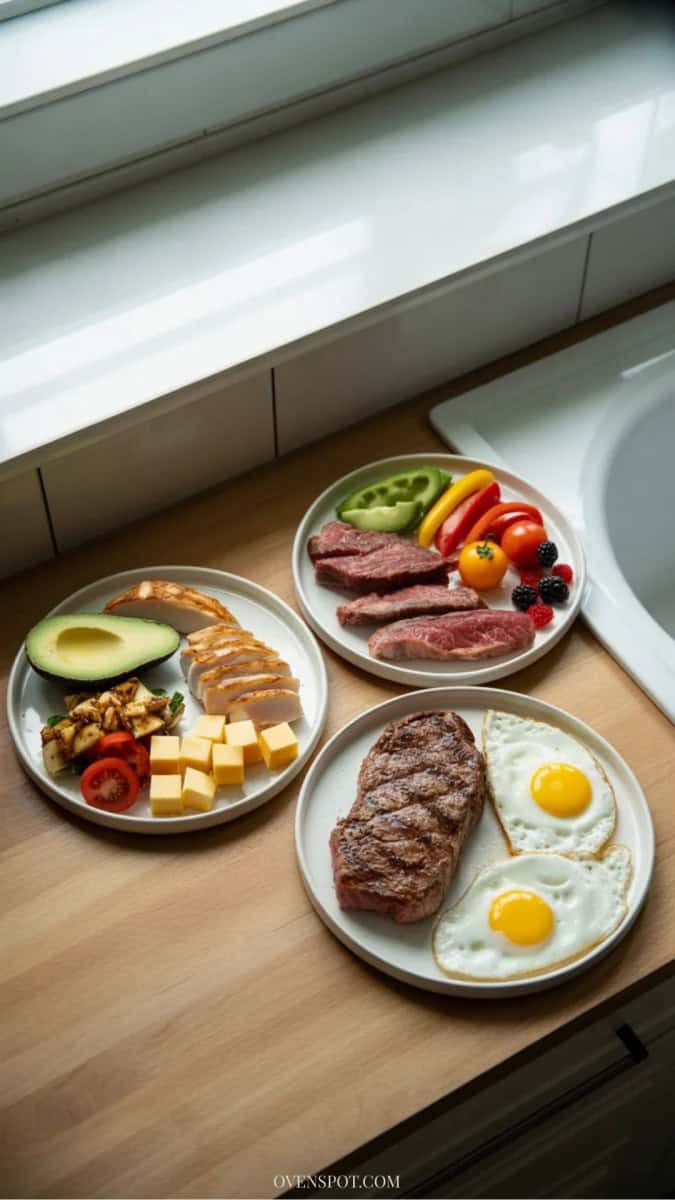
Transitioning from Paleo to Carnivore
Paleo eaters often experience a bigger adjustment because paleo includes fruits, vegetables, nuts, and honey.
During the transition, you may notice:
- Hunger cues changing quickly
- Blood sugar stabilizing
- Digestive shifts as fiber is reduced
Paleo eaters benefit most from a slower, step-by-step approach rather than an abrupt switch.
Signs You’re Ready to Transition to Carnivore
You don’t need to be “perfect” to move forward. Many people transition because:
- Keto or paleo results have stalled
- Bloating or inflammation hasn’t resolved
- Autoimmune symptoms persist
- Food feels complicated and stressful
- You crave simplicity and consistency
Transitioning doesn’t mean keto or paleo “failed.” It often means your body is asking for less noise and more nutrient density.
A Step-by-Step Transition Plan (Keto & Paleo Friendly)

Step 1: Clean Up Keto or Paleo First
Before removing entire food groups, simplify what you’re already eating.
Focus on:
- Whole foods
- Quality animal fats
- Simple meals
Remove:
- Seed oils
- Artificial sweeteners
- Keto bars, treats, and packaged foods
This step alone often improves energy and digestion and makes the next steps much easier.
Step 2: Reduce Plant Foods Gradually
Instead of cutting everything at once, taper down.
Helpful approach:
- Remove grains and legumes first
- Reduce vegetables slowly
- Save coffee, spices, or dairy for later if needed
Many people worry about removing fiber, but your digestion often adjusts beautifully when fat and protein intake increase.
Step 3: Build a Meat-First Plate
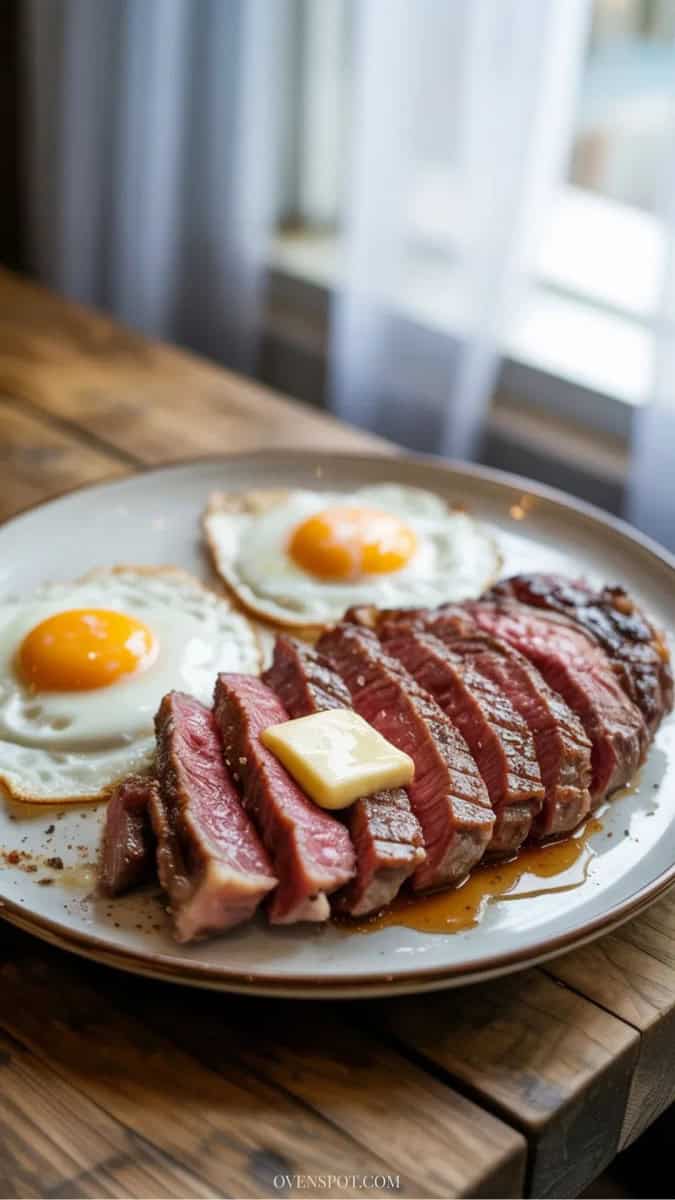
Shift your meals so animal foods are no longer a side they’re the foundation.
Aim for:
- Beef (especially ground beef and steaks)
- Eggs
- Animal fats like butter, tallow, or ghee
Eat until satisfied. This is not the time to restrict calories or portion sizes.
If you need ideas, the Carnivore Diet Food List: Beef, Pork, Seafood & More makes meal planning incredibly simple during this phase.
Step 4: Prioritize Salt, Fat & Hydration
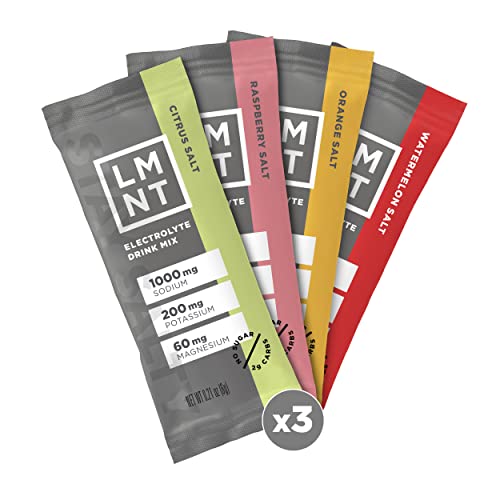
LMNT Zero Sugar Electrolytes – Variety Pack
Buy Now →(Affiliate)
This step is non-negotiable.
As carbs drop, your body releases water and electrolytes more quickly. Without enough salt, transition symptoms feel much worse than they need to.
Make sure you:
- Salt food generously
- Drink to thirst
- Consider bone broth for extra sodium
This alone can prevent headaches, fatigue, and muscle cramps.
Step 5: Move to Full Carnivore (When You’re Ready)
Once meals feel stable and satisfying, you can experiment with removing remaining extras.
Optional experiments:
- Dairy elimination
- Coffee reduction
- Fewer seasonings
There’s no prize for rushing. Some people transition in a week, others take a month both are perfectly fine.
What to Eat During the Transition Phase

Keeping food simple reduces decision fatigue and helps your body adapt faster.
Great transition staples include:
- Ground beef
- Ribeye or sirloin steaks
- Eggs
- Bacon from clean sources
- Butter, ghee, or beef tallow
- Bone broth
For a full breakdown, keep the Carnivore Diet Food List bookmarked so you’re never guessing.
Common Transition Symptoms (What’s Normal vs Not)
Some short-term changes are common as your metabolism adapts.
Normal, temporary symptoms may include:
- Digestive changes
- Energy fluctuations
- Appetite shifts
- Mild sleep disruption
These usually pass as electrolytes balance and your body adapts to fat-based fuel. If symptoms feel intense, slow the transition and increase salt and fat.
Common Mistakes to Avoid
Many transition struggles come down to a few simple missteps:
- Undereating fat
- Skipping salt
- Switching too fast
- Comparing yourself to others
- Being afraid of eating “too much meat”
Carnivore works best when you let your body lead not food rules.
How Long Does the Transition Take?
There’s no universal timeline.
- Keto → Carnivore: often 1–3 weeks
- Paleo → Carnivore: 2–4+ weeks
Your history, metabolism, and health goals all play a role. Progress matters more than speed.
Should You Transition Gradually or Go Cold Turkey?
Both approaches can work.
Gradual transition is ideal if you:
- Have autoimmune or gut issues
- Are coming from paleo
- Want fewer symptoms
Cold turkey may work if you:
- Are already strict keto
- Prefer simplicity
- Tolerate rapid changes well
There’s no “correct” way only the way that feels sustainable for you.
Final Thoughts
Transitioning to carnivore isn’t about discipline or extremes. It’s about removing friction, simplifying food choices, and letting your body reset.
Take your time. Eat enough. Salt your food.
And use the foundation resources when you need them:
When you’re ready, carnivore doesn’t feel restrictive it feels freeing.

Michelle
Hi, I’m Michelle, the founder, owner, author, and editor of OvenSpot. My passion for one-pot cooking commenced when I was working to prepare cafeteria lunches for school students. I am now on a mission to assist you in choosing the cooking pot or appliance you will use daily. As well as in-depth information to assist you in using and caring for your cookware and appliances. Along with the yummy recipes I use at home.
Questions? Reach out to Michelle at [email protected]