
Canning Beef Tallow: Safely Preserve and Store Rendered Fat
Canning beef tallow is a useful skill for food preservation. It lets you enjoy the health benefits of beef tallow, a versatile ingredient. By learning to can it, you can keep rendered fat for longer.
Preserving beef tallow through canning is easy and effective. It helps keep the nutritional value of beef tallow, making it a great addition to your pantry. With the right tools and methods, you can safely can beef tallow for your cooking needs.
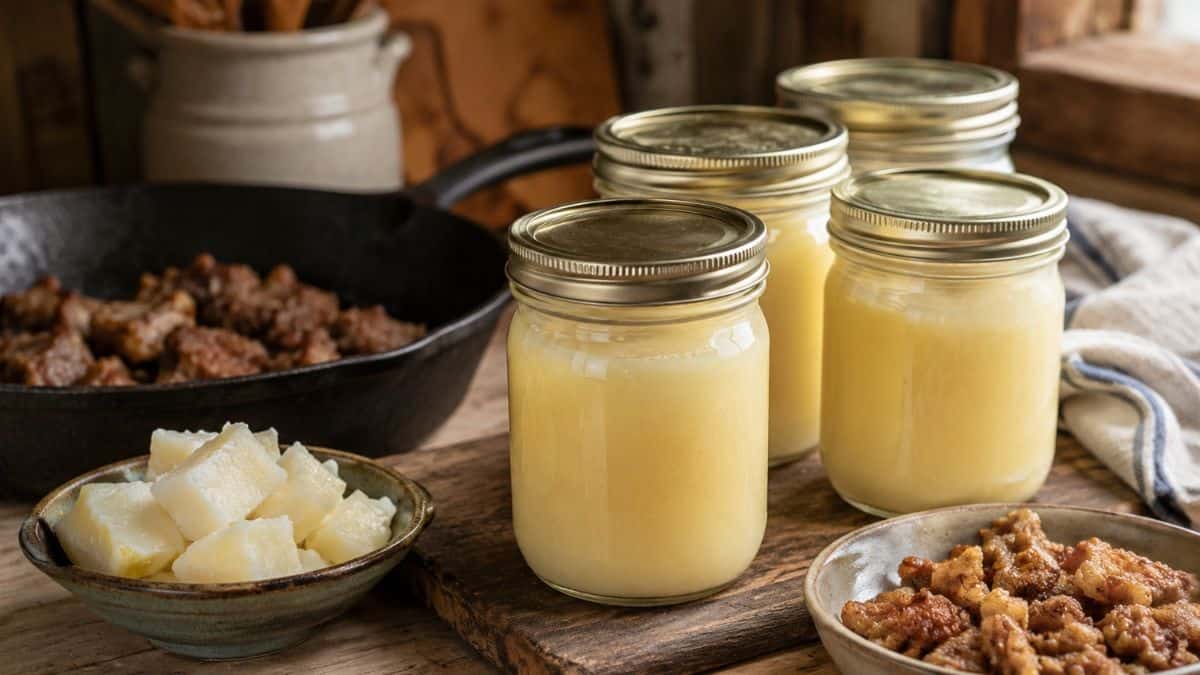
Understanding Beef Tallow and Its Preservation Benefits
Beef tallow benefits a lot from the right preservation methods. These methods help keep its quality and shelf life high. It’s a nutrient-rich food that adds health benefits to a balanced diet.
Preserving beef tallow is key to keeping its nutritional value. It’s packed with vitamins A, D, E, and K, and conjugated linoleic acid (CLA). These nutrients are important for health. The right preservation methods help keep these nutrients in the tallow.
What Makes Beef Tallow Worth Preserving
Beef tallow is great for cooking, making it a must-have in your kitchen. It’s good for frying, baking, and sauces. Preserving it means you always have it for your recipes. It’s also a handy substitute for other fats and oils.
Nutritional Benefits of Preserved Tallow
Preserved beef tallow is full of nutrients. It’s rich in vitamins and CLA, which boosts the immune system and helps with weight. It’s a great addition to a healthy diet, filling in nutritional gaps.
Common Uses for Canned Tallow
- Frying and sautéing
- Baking and making pastries
- Making sauces and gravies
- As a substitute for other fats and oils
Understanding beef tallow’s benefits and how to preserve it is key. It’s a valuable ingredient for any cook. Whether you’re a pro or just starting, preserved beef tallow is worth having.
Essential Equipment for Canning Beef Tallow
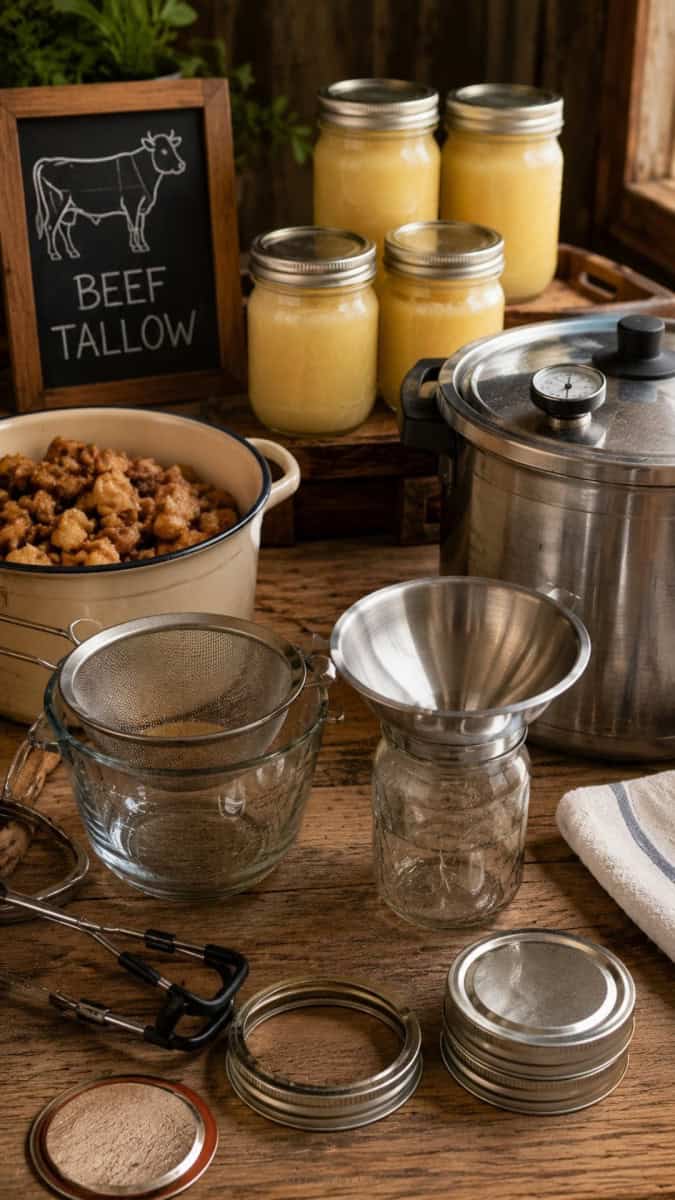
For home canning, the right tools are key. You’ll need jars, lids, and a pressure canner to start. You can find these at hardware stores or online stores that sell home canning supplies.
Here’s a list of must-have equipment:
- Jars: Made of glass, these come in various sizes and are used to store the beef tallow.
- Lids: These fit on top of the jars and create a vacuum seal to prevent spoilage.
- Pressure canner: This is a large pot that allows you to heat the jars to a high temperature, killing off any bacteria that may be present in the beef tallow.
Make sure your canning equipment is in good shape before using it. Look for any wear or damage. Replace anything that’s not good anymore. With the right canning equipment and preparation, you’ll be ready to can beef tallow at home.
Preparing Your Workspace and Materials
Starting your canning journey means setting up a clean and organized space. This is key to avoiding contamination and keeping your food safe. Begin by clearing a big area and covering it with a clean cloth or paper. This stops debris or spills from messing up your gear.
To get your equipment ready, sanitize all your canning tools. This includes jars, lids, and utensils. Wash them in hot soapy water, then rinse and dry them well. You can also use a sanitizing solution like bleach or vinegar to kill bacteria.
Here are some important steps for a successful canning start:
- Sanitize all equipment and workspace surfaces
- Set up your canning station in a well-ventilated area
- Ensure all equipment is in good working condition
How to Safely Preserve and Store Rendered Fat Through Canning
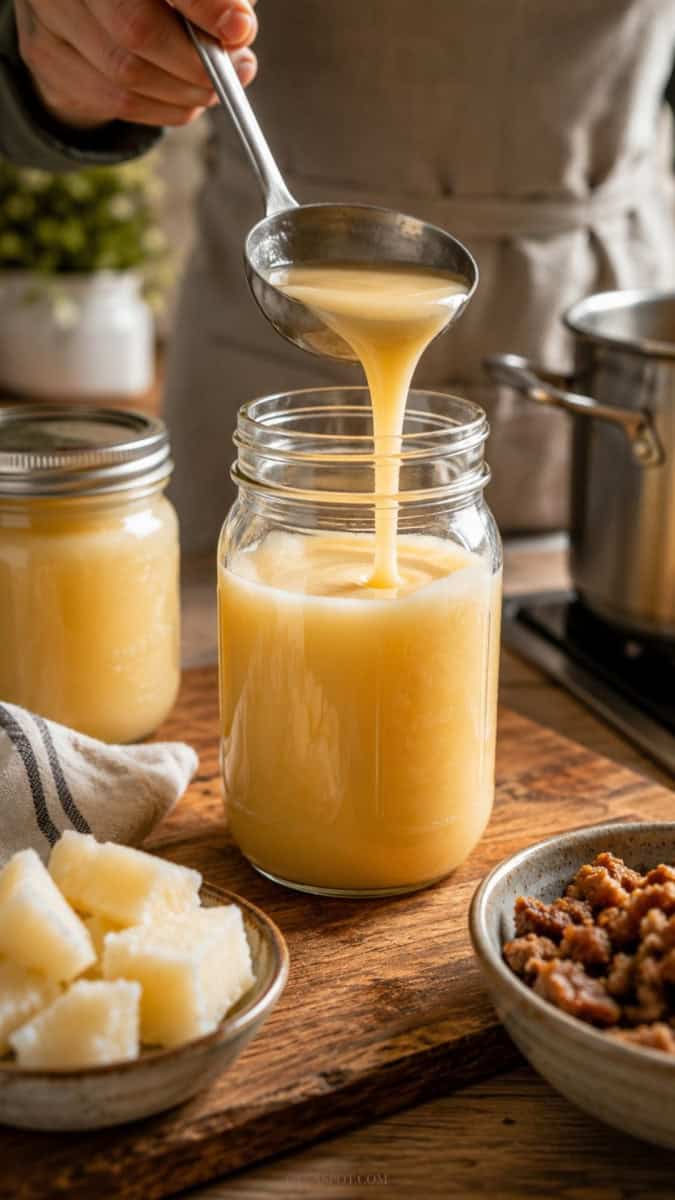
When canning rendered fat, it’s key to stick to safety guidelines. This ensures your product stays good and safe. Start by melting and straining the fat to get rid of any bad stuff.
Then, fill your jars with the fat, leaving enough space. This is important for food preservation. Use a pressure canner to kill bacteria and seal the jars.
Here are some key steps for safe canning:
- Prepare your rendered fat by melting and straining it
- Fill your jars with the prepared fat, leaving the recommended headspace
- Process the jars in a pressure canner to ensure proper food preservation
- Store the canned fat in a cool, dark place to maintain its quality
- beef tallow complete
Processing Times and Pressure Requirements
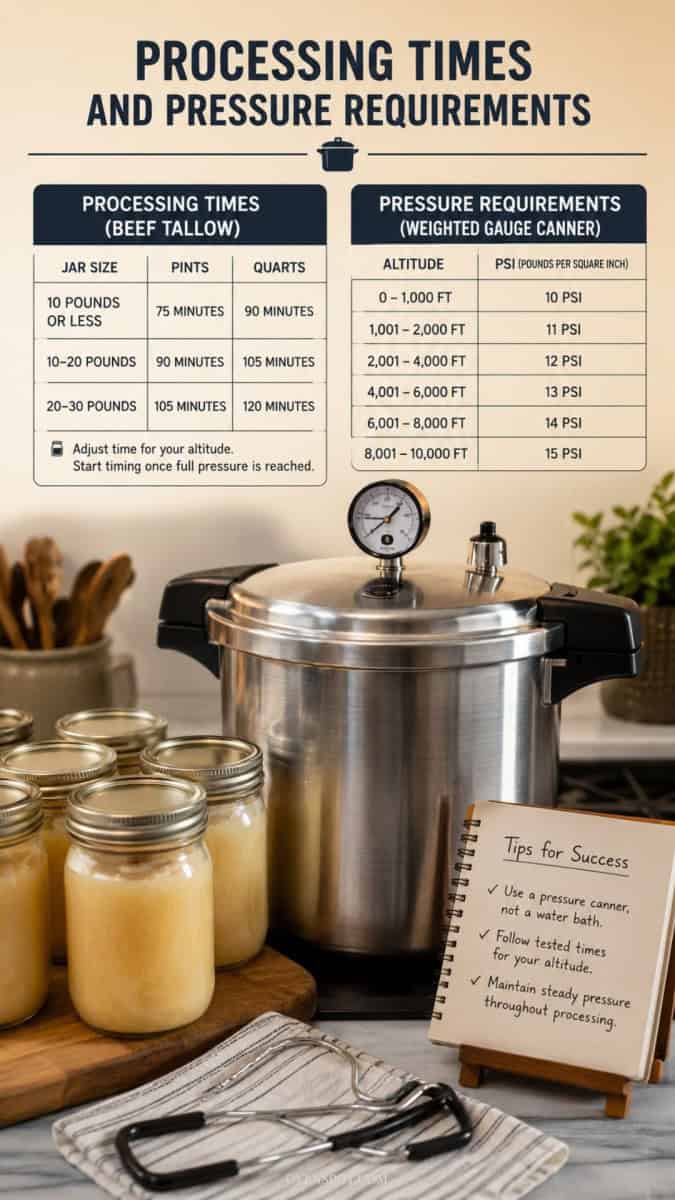
When canning beef tallow, knowing the right canning times and pressure canning needs is key. You must think about how altitude affects canning. This ensures your beef tallow is sterilized and sealed well.
For accurate canning, use a trusted guide for pressure canning at various altitudes. It will tell you the correct canning times and pressure levels. At high altitudes, you might need to up the pressure and canning times due to lower air pressure.
- Altitude: As mentioned earlier, altitude adjustments are necessary to ensure proper sterilization and sealing.
- Pressure: The right pressure level is critical for killing off bacteria and other microorganisms that can cause spoilage.
- Temperature: Monitoring the temperature during processing is also important to ensure that the beef tallow is heated to a safe temperature.
Storage Conditions for Canned Beef Tallow
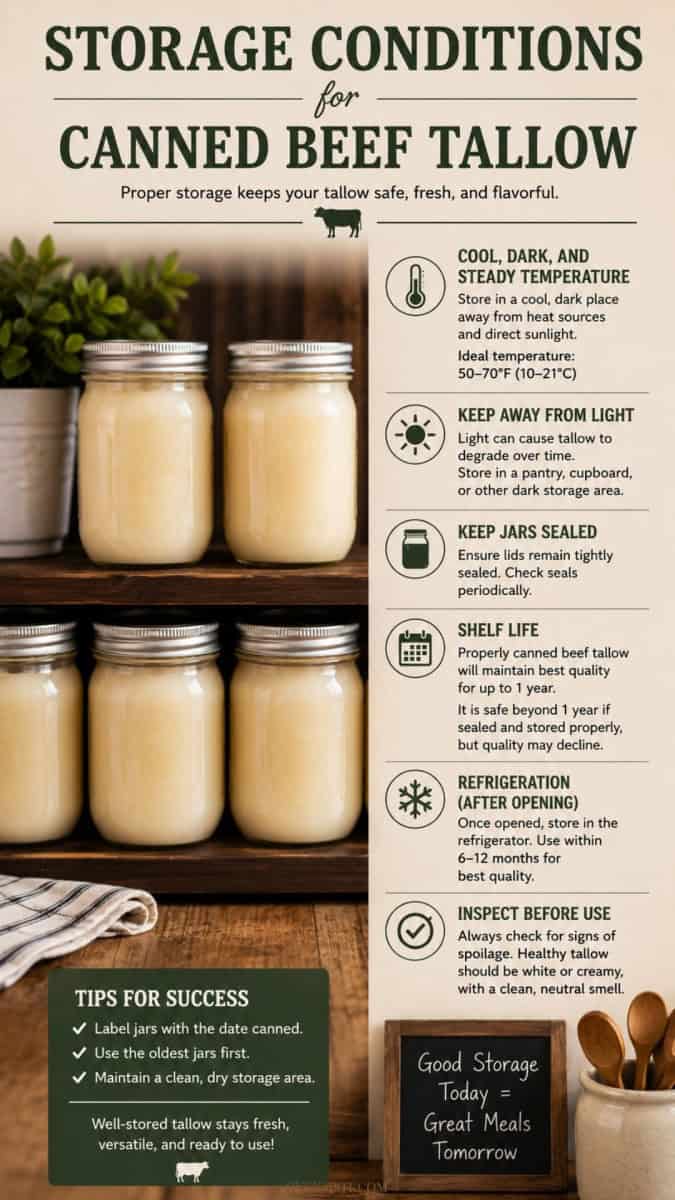
Storing canned beef tallow right is key for its shelf life and safety. You should keep it in a cool, dry spot. Make sure it’s away from sunlight and moisture.
The best place for canned beef tallow is between 50-70°F (10-21°C). Also, keep the humidity at 50-70%. Avoid strong-smelling foods nearby, as the fat can pick up odors. These steps help keep your tallow fresh and safe for longer.
Here are some tips for keeping your canned beef tallow in top shape:
- Check the cans regularly for signs of damage or corrosion
- Store the cans in a single layer, not stacked, to prevent damage
- Keep the storage area clean and free from pests
- storage beef tallow
Common Mistakes to Avoid When Canning Tallow
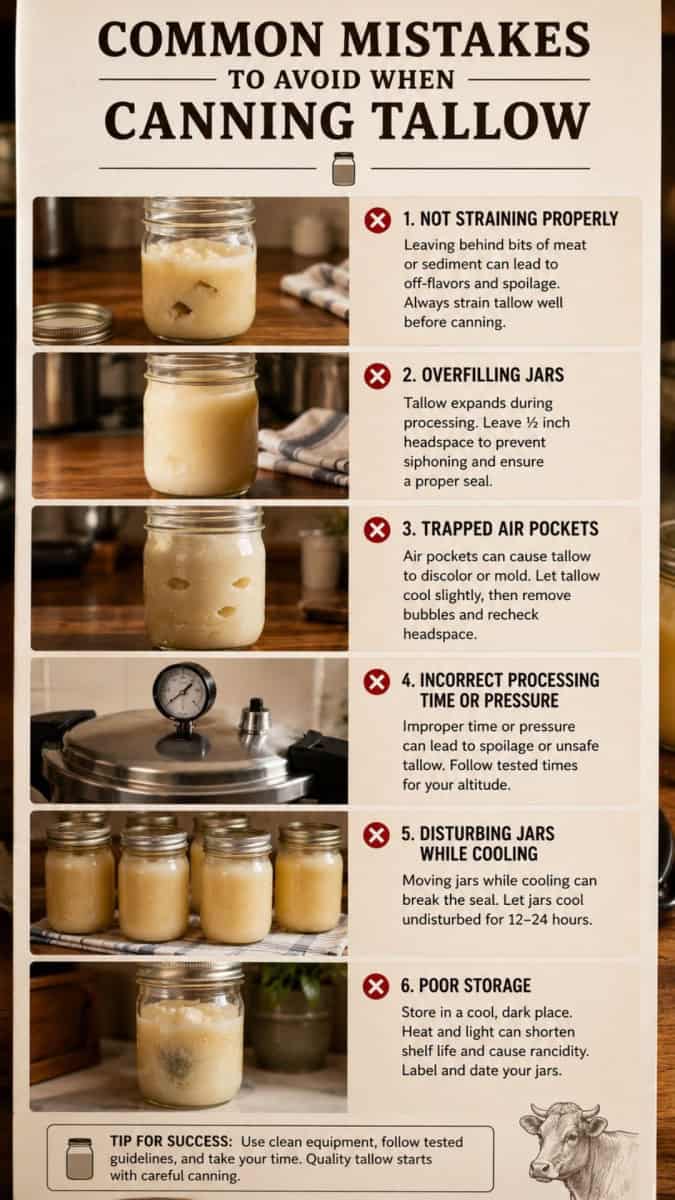
When canning beef tallow, knowing common mistakes is key. These mistakes can lead to food safety issues. You can avoid these errors to make sure your tallow is safe to eat.
Follow proper canning steps and take precautions to avoid contamination. Use clean equipment, sanitize your area, and handle the tallow carefully. This way, you can enjoy your homemade tallow safely.
- Temperature control errors, which can affect the quality and safety of the canned tallow
- Contamination risks, such as not sanitizing equipment or using unclean jars
- Improper sealing issues, which can lead to spoilage or contamination
Signs of Spoilage and Quality Control
Ensuring quality control is key for canned tallow to stay safe and good over time. Look for visible, smell, and texture signs of spoilage. Rust, dents, or swelling on the can are bad signs.
Doing food safety checks often is vital to avoid contamination and spoilage. Check the can for damage or tampering. Also, smell the tallow and feel its texture. Off smells or sliminess mean it’s spoiled.
Here are important things to check during food safety checks:
- Check the can for any signs of damage or tampering
- Inspect the tallow for any off smells or slimy texture
- Check the can for any signs of rust, dents, or swelling
Making the Most of Your Preserved Tallow: Tips for Long-Term Success
Now that you’ve canned your beef tallow, you’re ready to explore its uses. It’s great for sautéing veggies or making flaky pastries. For savory dishes, use it to sear meats or roast potatoes. Its high smoke point is perfect for high-heat cooking.
For sweet treats, tallow adds a rich, buttery flavor to pie crusts, biscuits, and popcorn. It’s a game-changer in the kitchen.
To keep your preserved tallow fresh, store the jars in a cool, dark place. This way, it can last up to a year or more. With a bit of creativity and these food preservation tips, your homemade tallow will enhance many meals.
Make the most of your rendered beef tallow with these beef tallow skin care recipes!

Michelle
Hi, I’m Michelle, the founder, owner, author, and editor of OvenSpot. My passion for one-pot cooking commenced when I was working to prepare cafeteria lunches for school students. I am now on a mission to assist you in choosing the cooking pot or appliance you will use daily. As well as in-depth information to assist you in using and caring for your cookware and appliances. Along with the yummy recipes I use at home.
Questions? Reach out to Michelle at [email protected]